Water Security Program


ASR Paddy Cultivation @10% Irrigation
The future of Paddy Cultivation is here…
1. Background
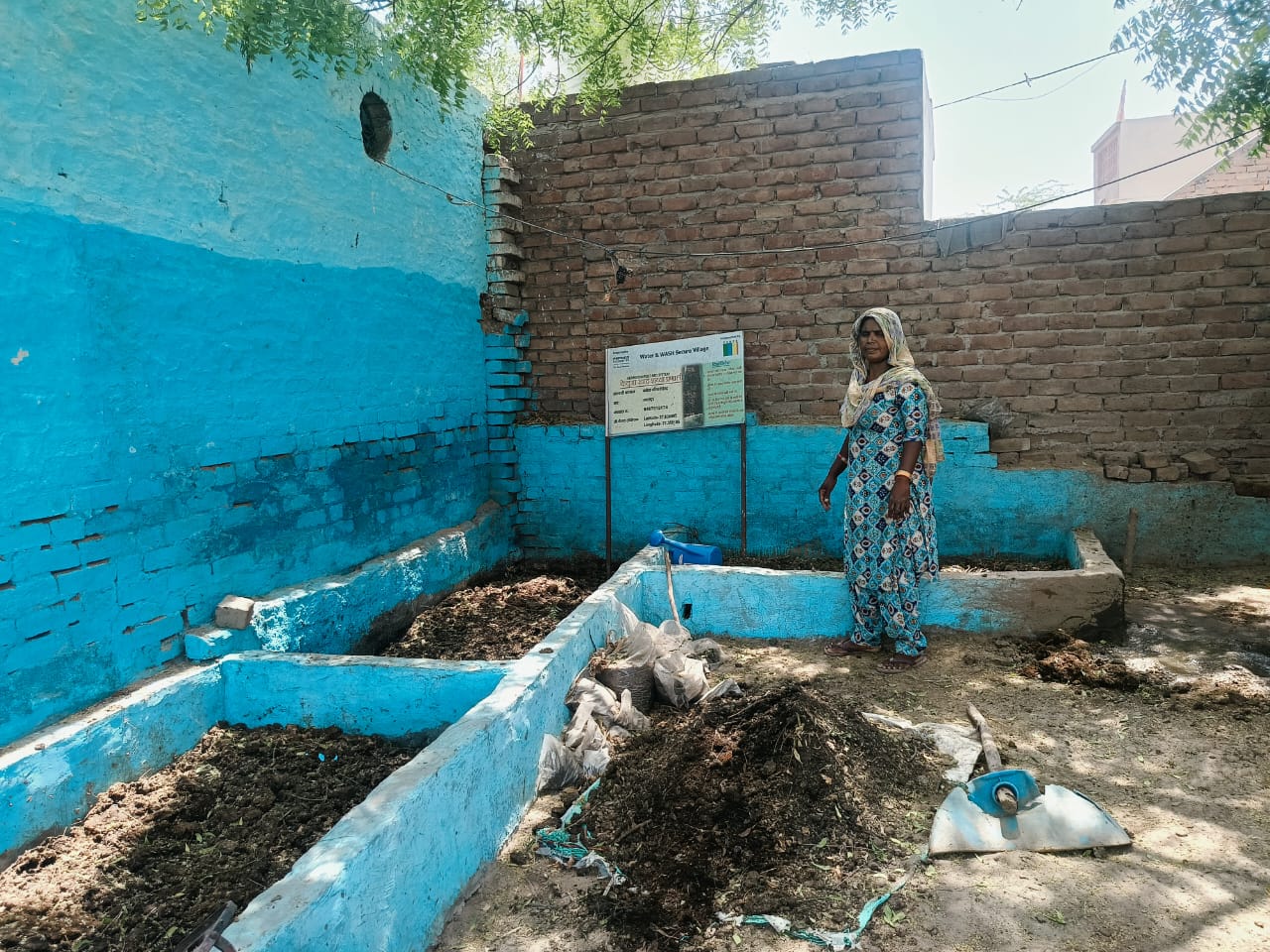
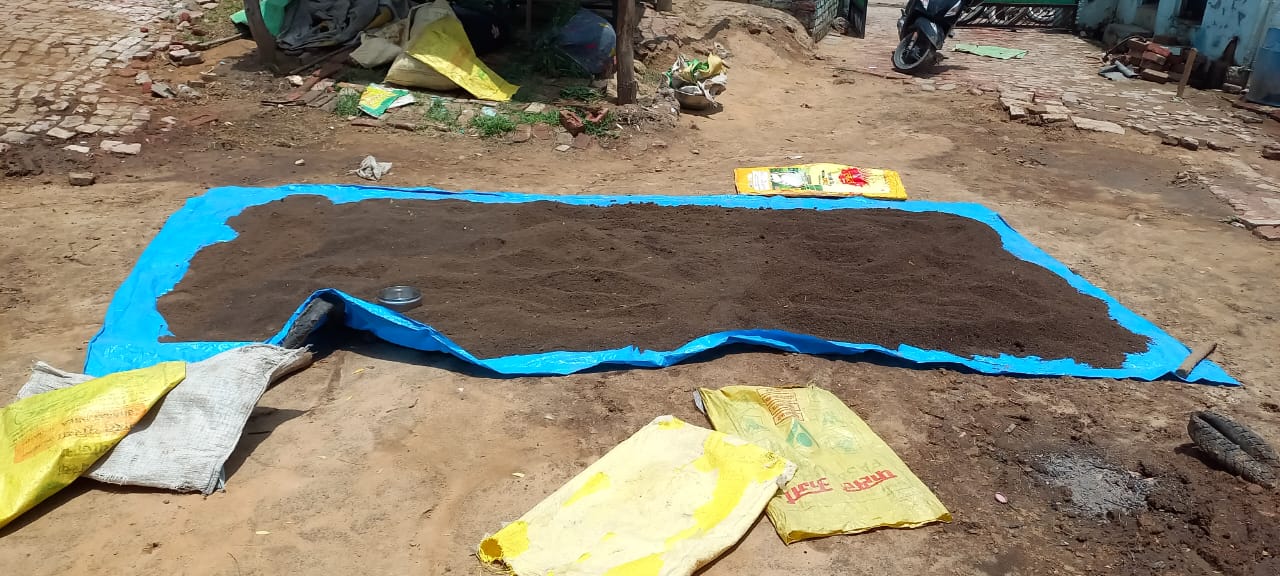
Water scarcity has become a growing concern in several villages of Hathras district. Excessive irrigation in paddy cultivation often leads to water wastage and reduced groundwater levels. To address this issue, farmer Sunil Chauhan from Chintagarhi village adopted the Anaerobic Sowing of Rice (ASR) method for paddy cultivation under the ‘Naturalization of Agriculture’ initiative promoted by FORCE. The idea is to bring water saving techniques into the farming and advocate for practicable system where the chemical burden on crops is gradually replaced with bio-inputs such as vermi compost, growth inputs prepared by dung/ urine other bio inputs and application of bio-pesticides.
In Hathras, PJRM FORCE is working on promoting naturalization of agriculture since about two years and till date over 400 farmers have adopted this technique and reaped handsome benefits. However, one of the most amazing things happened in the couple of years is growing of paddy with negligible irrigation using ASR technique where the bed is prepared to create anaerobic condition with light miniaturization and then direct seeding is done. The irrigation of required is give at 21 days interval that saves approximately 90% water.
2. About ASR
This is a pioneering, innovative technique developed by Sh. Avtar Singh Phagwara (MSc Chemistry and Innovative Farmer). He has developed and practiced this for more than decades now. This 90% water saving method of paddy cultivation, is built around a peculiarity in the agronomy of rice viz it needs anaerobic conditions in its root zone during the germination and immediate post germination stage. With this understanding, Sh Avtar singh developed a method where soil compacting, and not waterlogging, becomes the mode for driving out air from the soil in the rice root zone. The soil is compressing using a planker 6-7 times so that no soil air is left. Then direct sowing of rice seed is done.
This saves the farmers time, labor and money as no nursery is prepared. After 21 days, just enough irrigation is done to maintain soil moisture. And if there is intermittent rain, no irrigation is required.
The success of Avtar Singh Ji’s ASR method shows that paddy is not a water guzzling crop
3. The ASR Method
- Planking 6 times before sowing for creating anaerobic conditions
- Compress after sowing – 1-2 planking
- Irrigation only after 21 days – no flooding only to maintain soil moisture
- Use non-chemical inputs – Beejamrit, jeevamrit etc.
- Use chemical only in case of emergency and not beyond recommended quantities.
- After harvest let the stalks dry on field which become fertilizer in some days
4. Results and Achievements
After adopting the ASR method, Sunil Chauhan observed remarkable results in his paddy field. The rice grown as ASR has excellent quality and requires literally no pesticides / chemical fertilizer. We lab tested the ASR produce of multiple fields in 2024 and 2025 on 104 parameters. The results show this that ASR rice is excellent, with no chemical residues and is of export quality with no decline in production per acre. [16-18 Qt per acre of Basmati]
5. Experience and Farmer Quotes:-
The experience of Sunil Chauhan from Chintagarhi, Hathras, clearly demonstrates that water-efficient techniques like the ASR method can save up to 90% of irrigation water without reducing yield. His success story highlights the potential of integrating traditional knowledge with scientific water management practices for sustainable agriculture in water-stressed regions.
“By following the ASR method suggested by FORCE, I have practiced zero chemical farming using my own Jiivaamrit [made out of cow dung , urine and maizeflour + jaggery]. This not only improved my yield but also saved water. I am proud to see how natural methods can bring such positive results.”
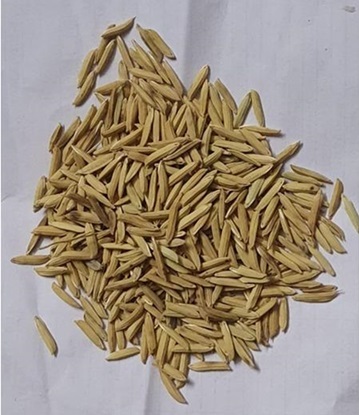
The ASR Paddy from Chauhan’s Farm