Water Security Program


Krishaks Need Krishikas : For Naturalization of Agriculture
Krishaks [Sanskrit version of farmers] need Krishikas [the female companion of farmers] for the modern resource guzzling, toxic ridden farming sector to follow the path of naturalization that would ensure economically bright farm families and food and nutritional security of the masses. The deepening of agrarian crisis is real for India and quite widespread – spatially and temporally. While there is growing concerns about enhancing food production for the ever growing population, there are worries about declining productivity. The growing agri-based industry, tug of war for the land and food processing and declining returns in farm sector is looming large over this primary segment. The soil health crisis [average organic content 0.05% in India], about half the area still unirrigated and nutritional crisis due to chemichalization of agriculture in India is not hidden anymore. The farmers at the fulcrum suffer the most. They need support from every end that makes their business easier and profitable which is the most important thing to keep them motivated. There have been umpteen models suggested by the academics, policy makers and opinion architects that is mostly indicative of a regime that makes the farming profitable for all the players, specifically the farmers. In the buzz of the recent decade the eager ears could hear the nature’s message loud and clear – “come to me and I shall show the path”. We at the FORCE heard that and decided to promote naturalization of agriculture. Over the past decade we have been engaged in promoting water efficient farming in states like Punjab, Uttar Pradesh and Haryana. Over 500 farmers have been following water efficient farming through broad bed method where about 40-60% water can be saved as the irrigations are guided through channels [whole filed is not irrigated] and anaerobic rice system that promises 70-90% saving of irrigation water which follows direct seeding on compressed soil [and no nursery raising]
The realization of chemical burden and toxicity in food came to the fore on this journey and we thought of localized intervention for this. Farming needs seed treatment, growth chemicals, fertilizers and pesticides. They have helped us achieving food self-sufficiency with a fallout of environment and health impact. Without an effective and economical alternative, these synthetic chemicals would keep on hovering us.
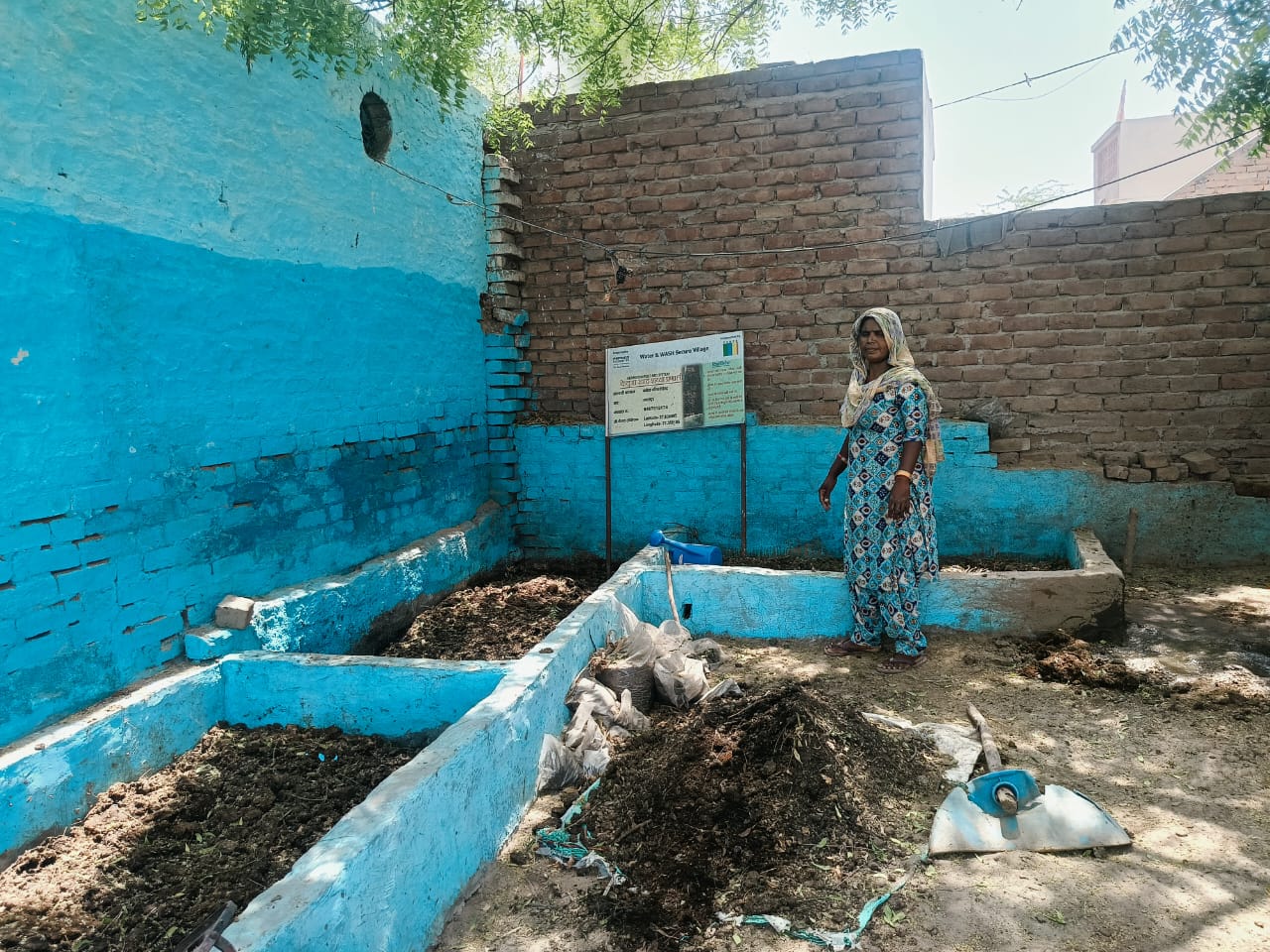
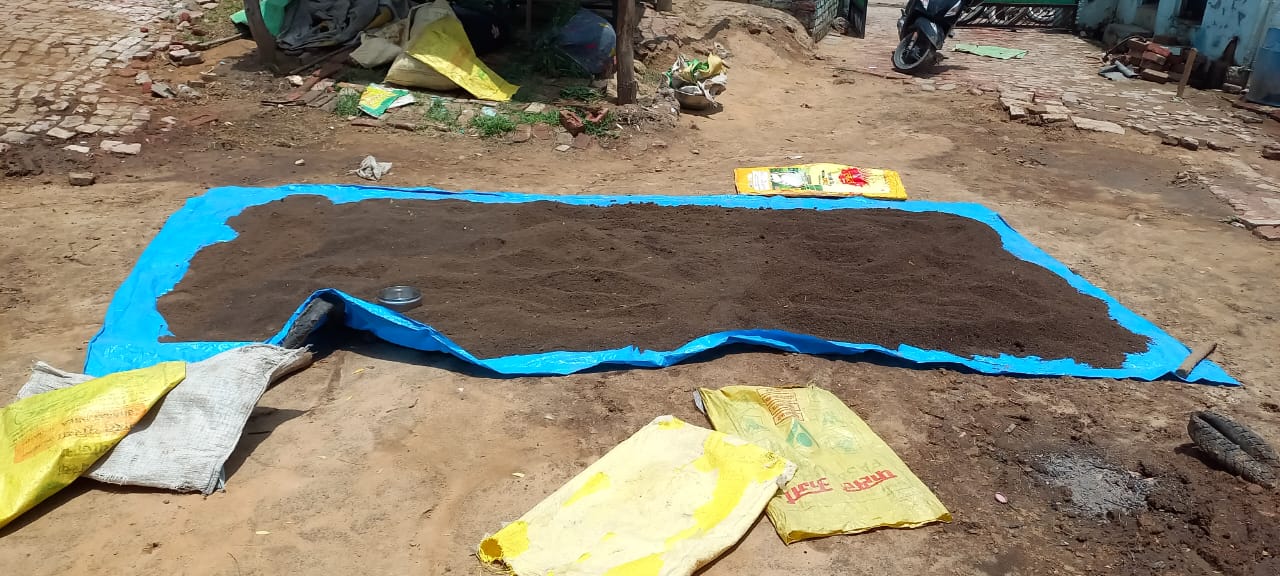
The alternatives to these are bio inputs like Beejamrit for seeds, Jeevamrit for as fertilizer and soil conditioner, leaf decoctions as bio-pest and disease control, vermi compost as multi-nutrient fertilizer etc. these can be made at the local level itself, with ease and at home. Who can do it better that the village women. We initiated that movement in Hathras and Mathura where we are working with over 300 farmers. We named them Krishikas, the female companions of Krishaks –the farmers.
 About 40 Krishikas across 10 villages have been identified. In Mathura about 10 Krishikas have been engaged in making vermi compost and have sold over 500 kgs of nutrient rich compost apart from applying them to their own local farms. They have also trained several women enthusiast in Greater Noida, Mathura and Hathras. In Hathras 30 Krishikas are ready to bring about a silent revolution in agriculture. These women belong to 8 villages and have already been trained in vermi compost making. Shortly they will also be undergoing training on other bio-inputs manufacture. The idea is to make the bio-inputs readily available at the farm level itself which is one of the major components of transformation towards naturalization of agriculture. Then there are spillover benefits:
- Women entrepreneurship and leadership at the grassroots
- Nutrition from farm to plate
- Resource conservation and improvement in soil health
- Ecosystem benefits
- Favoring economics for the farmers
FORCE is implementing this model of Krishak-Krishika across north India and is confident of making naturalization of agriculture a reality. References:
- https://www.ijfans.org/uploads/paper/6e1187ce5433cb712a3e47c1874f3677.pdf
- https://www.extensionjournal.com/article/view/481/7-3-123
- http://www.igidr.ac.in/pdf/publication/WP-2019-017.pdf
- https://www.deccanherald.com/opinion/soil-health-crisis-urgent-reforms-needed-for-sustainable-agriculture-1234300.html
- https://www.indiatvnews.com/news/india/in-india-6-000-tonnes-of-pesticides-are-used-to-save-108-million-tonnes-of-vegetables-7063.html